Grocery costs continue to rise nationwide in tandem with inflation. As the U.S. Department of Agriculture (USDA) notes, food prices were more than 10 percent higher in June 2022 than in June 2021, leading to spikes in price tags on foods like bread, eggs, and meat.
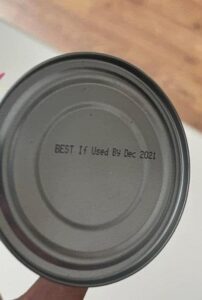
In response, consumers are seeking savvy solutions that are kind to their bank accounts.
One of the smartest ways to stretch your grocery store dollar is to figure out how to decode those notoriously misunderstood food labels.
It’s a way to avoid preemptively discarding unspoiled food. A 2011 Food Marketers Institute (FMI) study found that many Americans prefer to be safe rather than sorry in deciding whether their store-bought food is still good to eat. The study found that 91 percent of participants said they “at least occasionally” discarded food past its “sell by” date, out of safety concerns; 25 percent reported that they “always did so.”
Those attitudes may help explain why an estimated 30–40 percent of the nation’s food supply goes to waste each year, according to a study published by the United States Department of Agriculture (USDA) in 2014.
To put that in context: According to the 2014 USDA study, an estimated loss 133 billion pounds and $161 billion worth of food was lost 2010.
If fattening your wallet isn’t enough incentive to educate yourself about what the dates on food labels mean, consider the environment. Inger Andersen, the executive director of the United Nations Environment Programme, says food waste is a “major contributor to the three planetary crises of climate change: nature and biodiversity loss, pollution, and waste,” per the 2021 UNEP Food Waste Index Report.
Why Food Expiration Dates Are So Confusing
You’re not alone if you’re uncertain about what different food labels mean. A 2007 survey of U.S. adults published in the Journal of Food Protection shed light on how misunderstood these terms are by the general public.
A snapshot of the findings: Fewer than half the study’s participants could correctly define the “sell by” date, and one-fourth had the misconception that this date indicates the last date recommended for safe consumption.